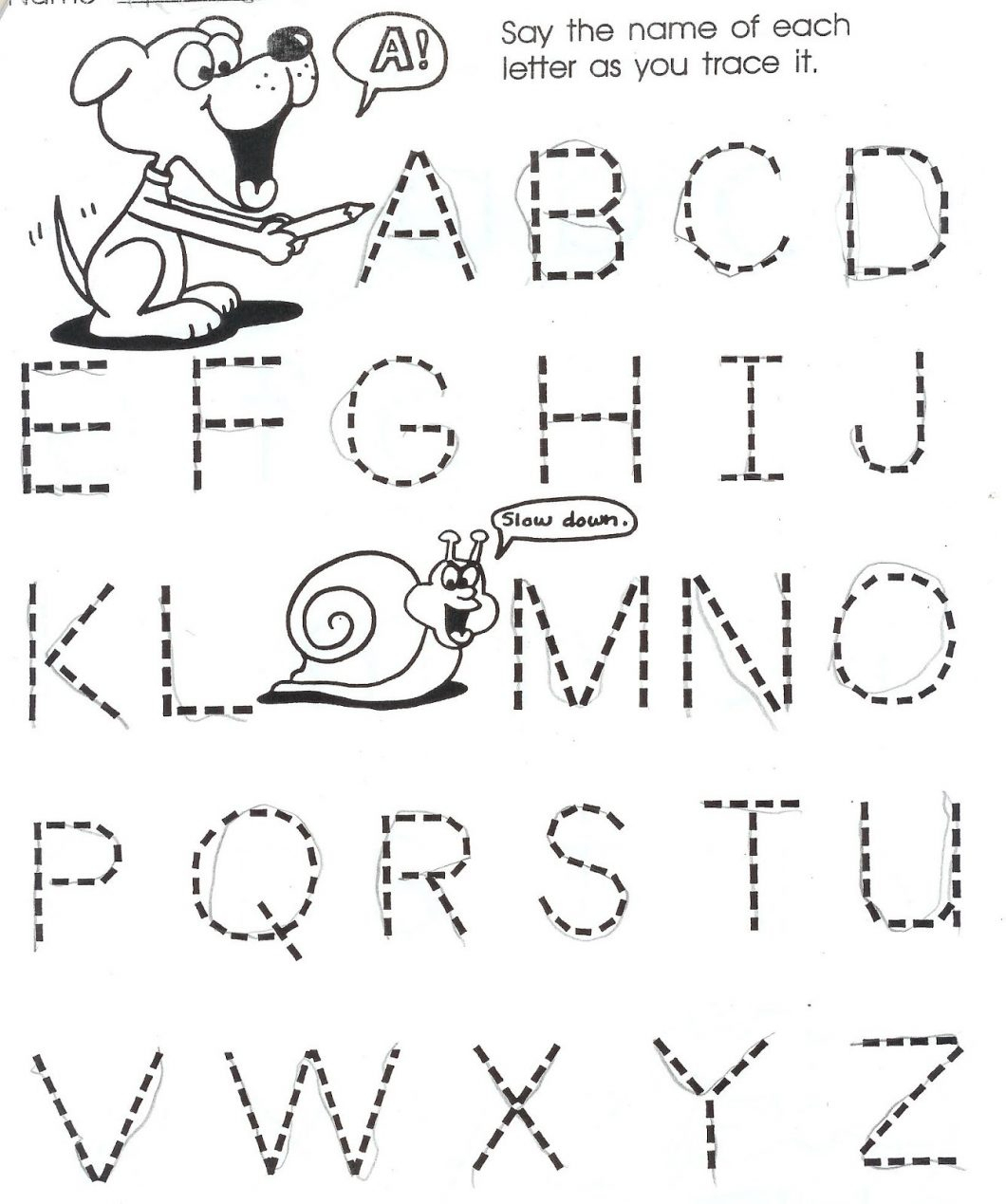
Math activities are a great way to introduce young children to the world of numbers and shapes. For 3 to 5 year olds, printable math activities can be a fun and engaging way to learn basic math concepts. These activities can help children develop their counting, sorting, and matching skills while also improving their hand-eye coordination.
Printable math activities are also convenient for parents and teachers, as they can easily be accessed and printed out at home or in the classroom. They provide a hands-on learning experience that is both educational and entertaining for young children.
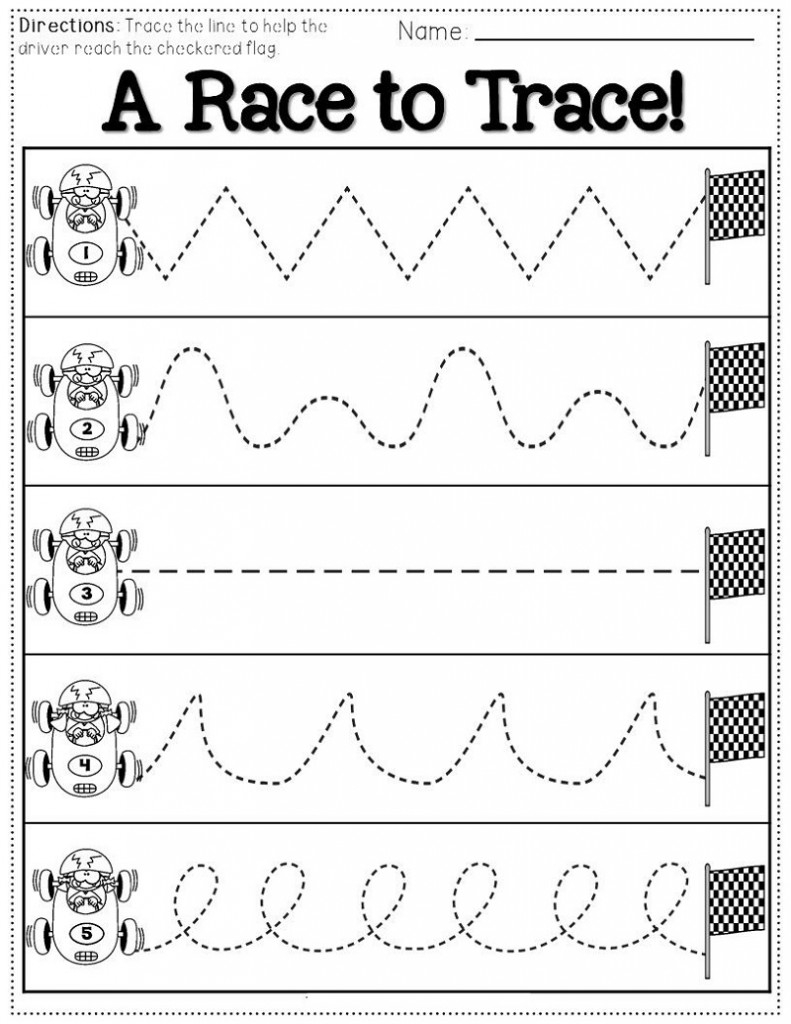
Math Activities for 3 to 5 Year Olds Printable
1. Counting Worksheets: Printable counting worksheets are a great way to help children practice their counting skills. These worksheets typically include pictures of animals, objects, or shapes that children can count and write the corresponding numbers.
2. Shape Matching Games: Shape matching games are a fun way for children to learn about different shapes and how to recognize them. Printable shape matching games often include images of shapes that children can match with the correct shape name or outline.
3. Number Puzzles: Number puzzles are a great way to help children develop their problem-solving skills while also learning about numbers. Printable number puzzles usually involve arranging numbers in a specific order or completing a sequence.
4. Pattern Recognition Activities: Pattern recognition activities can help children develop their visual discrimination skills and learn about patterns and sequences. Printable pattern recognition activities often include images of objects or shapes that children can match to complete a pattern.
5. Measurement Worksheets: Printable measurement worksheets can help children learn about different units of measurement and how to compare sizes. These worksheets typically include pictures of objects that children can measure using a ruler or other measuring tool.
Overall, printable math activities for 3 to 5 year olds are a great way to introduce young children to basic math concepts in a fun and engaging way. These activities can help children develop their math skills while also improving their cognitive abilities and problem-solving skills.