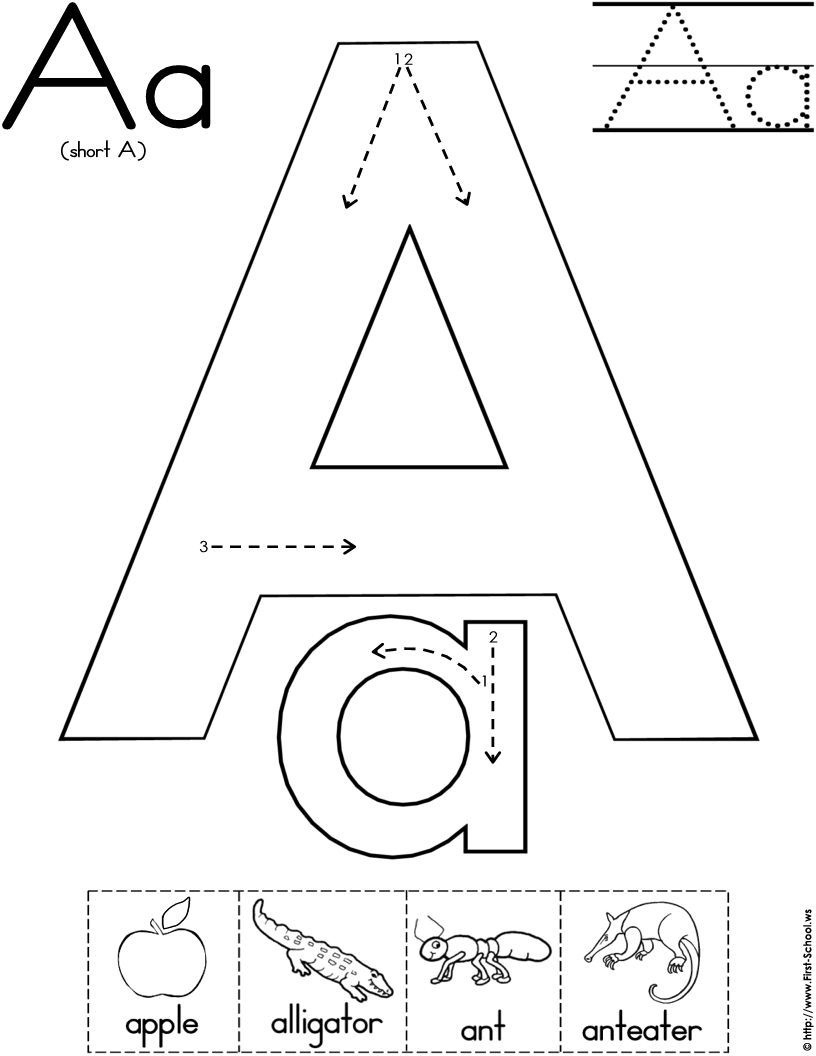
Math skills are essential for young children to develop as they grow and learn. Engaging in fun and interactive math activities can help children build a strong foundation for future academic success. For children between the ages of 3 to 5, incorporating math activities into their daily routine can be both educational and entertaining.
One way to introduce math concepts to young children is through printable PDF activities. These worksheets are designed to be engaging and easy to understand, making learning math fun for kids. By providing children with these printable resources, parents and educators can help children practice counting, sorting, and recognizing shapes in a hands-on way.

Math Activities for 3 to 5 Year Olds PDF Printable
1. Counting with Objects: Encourage children to count objects like toys, blocks, or buttons on a printable worksheet. This activity helps children practice one-to-one correspondence and develop their counting skills.
2. Shape Recognition: Print out worksheets with different shapes like circles, squares, and triangles. Ask children to identify and color each shape, helping them learn to distinguish between different geometric shapes.
3. Number Matching: Create worksheets with numbers and corresponding objects for children to match. This activity helps children practice number recognition and understand the concept of quantity.
4. Pattern Recognition: Print out worksheets with simple patterns for children to continue. This activity helps children develop their spatial reasoning skills and learn to identify and create patterns.
5. Sorting and Classifying: Provide worksheets with pictures of different objects for children to sort into categories like color, shape, or size. This activity helps children practice sorting and classifying objects based on different attributes.
Engaging in math activities at a young age can help children develop a positive attitude towards math and build a strong foundation for future learning. By incorporating printable PDF activities into their daily routine, parents and educators can help children develop essential math skills in a fun and interactive way.