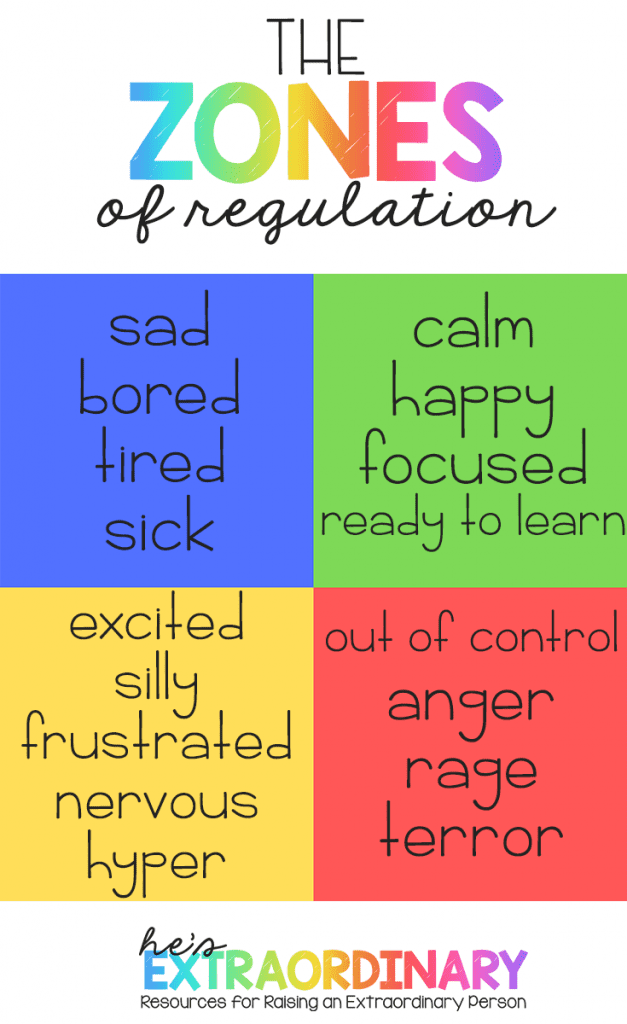
Teaching kids about emotional regulation is an important skill that can help them navigate their feelings and behaviors. The Zones of Regulation is a framework designed to help kids identify and express their emotions in a healthy way. By using printable activities, kids can engage in fun and interactive ways to learn about the different zones and strategies for self-regulation.
Printable activities are a great tool for parents and teachers to use to reinforce the concepts of the Zones of Regulation. These activities can be easily accessed online and printed out for kids to complete at home or in the classroom. They can help kids identify their current emotional state and learn how to move between the different zones with appropriate coping strategies.
Activities:
1. Emotion Cards: Create a set of emotion cards with different facial expressions. Have kids match the emotion to the corresponding zone (blue, green, yellow, red) and discuss how they can regulate their emotions when they are feeling that way.
2. Feelings Wheel: Print out a feelings wheel and have kids spin the wheel to identify how they are feeling. Talk about strategies they can use to move to a more regulated state if they are in the red or yellow zone.
3. Coping Skills Bingo: Create a bingo board with different coping skills in each square. Have kids play bingo and discuss how each coping skill can help them regulate their emotions in different situations.
4. Zone Chart: Print out a zone chart with descriptions of each zone and examples of behaviors and strategies for each zone. Have kids color in the chart to show where they are currently and discuss ways to move to a more regulated state.
5. Emotion Journal: Provide kids with a printable emotion journal where they can write or draw about their feelings throughout the day. Encourage them to reflect on what zone they were in and how they were able to regulate their emotions.
By using printable activities, kids can learn about the Zones of Regulation in a hands-on and engaging way. These activities can help kids develop important skills for emotional regulation that they can carry with them throughout their lives.