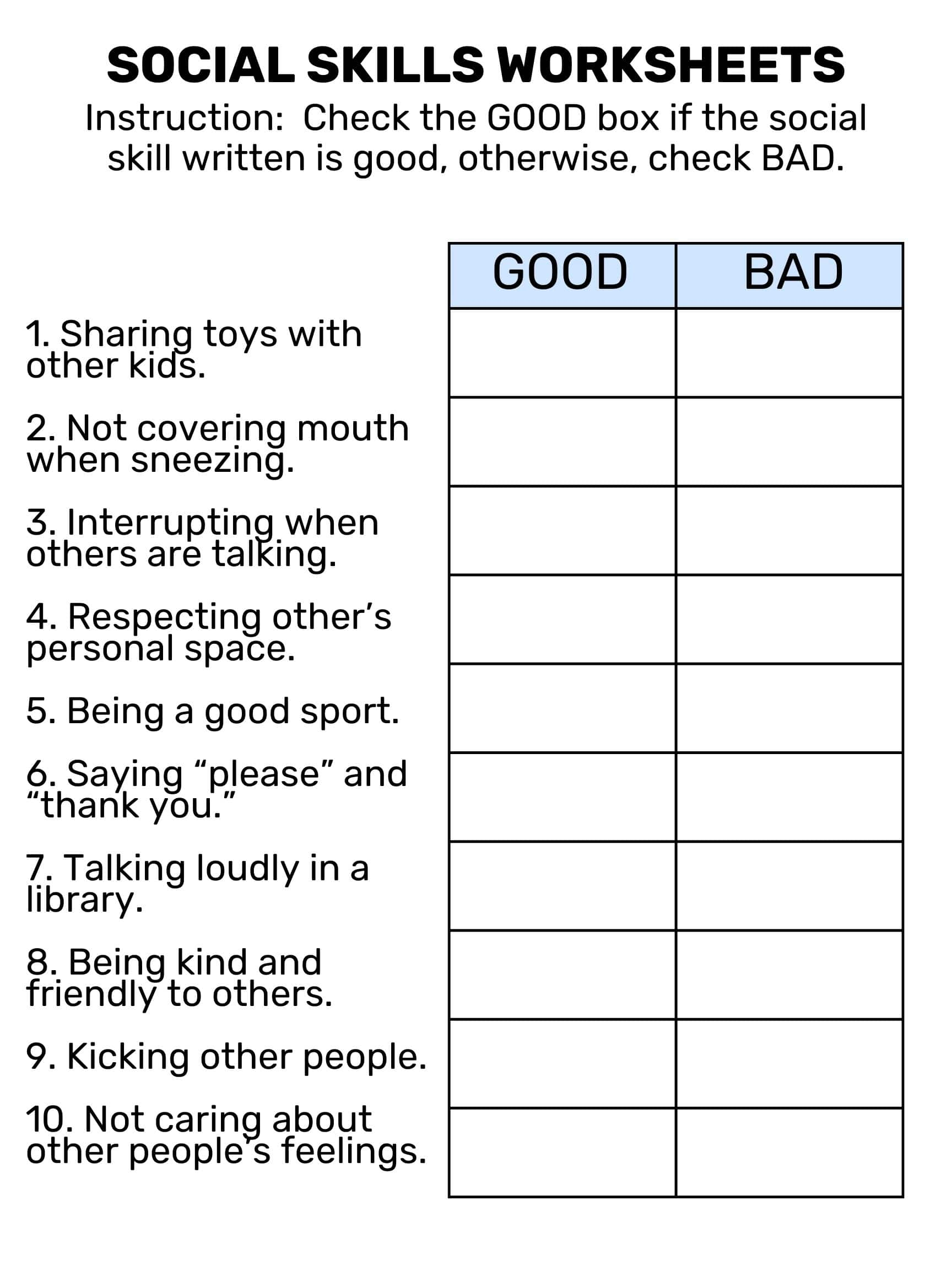
Teaching social skills to children is essential for their overall development and success in life. However, it can sometimes be challenging to engage kids in learning these important skills. Printable social skills activities can be a fun and interactive way to help children improve their social skills while having fun at the same time.
Printable activities are a great resource for parents, teachers, and therapists who are looking for creative ways to teach social skills to children. These activities can be easily accessed and printed out, making them convenient for use at home, in the classroom, or during therapy sessions.
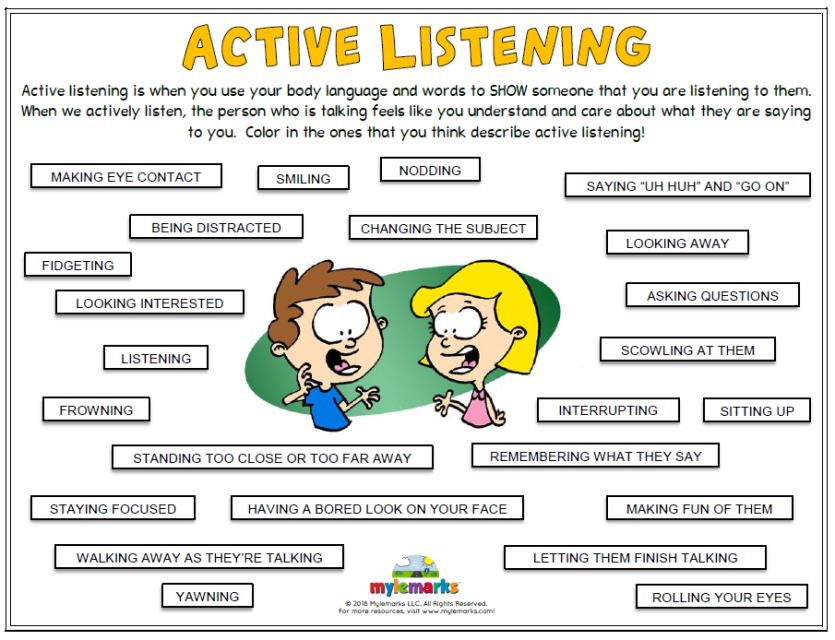
1. Role-Playing Scenarios
Role-playing scenarios are a great way to help children practice social skills in a safe and controlled environment. Printable role-playing cards can be used to act out different social situations, such as introducing oneself, making eye contact, or resolving conflicts. By engaging in role-playing activities, children can improve their communication, empathy, and problem-solving skills.
2. Emotion Cards
Emotion cards are a useful tool for helping children identify and express their emotions. Printable emotion cards can feature different facial expressions or scenarios that elicit specific emotions. Children can use these cards to practice recognizing and discussing their own emotions, as well as understanding the feelings of others. This activity can help children develop empathy, emotional intelligence, and communication skills.
3. Conversation Starters
Printable conversation starters can help children initiate and maintain conversations with others. These cards can feature interesting questions or topics that encourage children to engage in meaningful discussions with their peers. By practicing conversation skills, children can improve their listening, speaking, and social interaction abilities. This activity can also help children build confidence and develop friendships.
In conclusion, printable social skills activities are a valuable resource for teaching children important social skills in a fun and engaging way. By incorporating these activities into daily routines, parents, teachers, and therapists can help children develop essential communication, empathy, and problem-solving skills. With consistent practice and support, children can improve their social skills and build positive relationships with others.