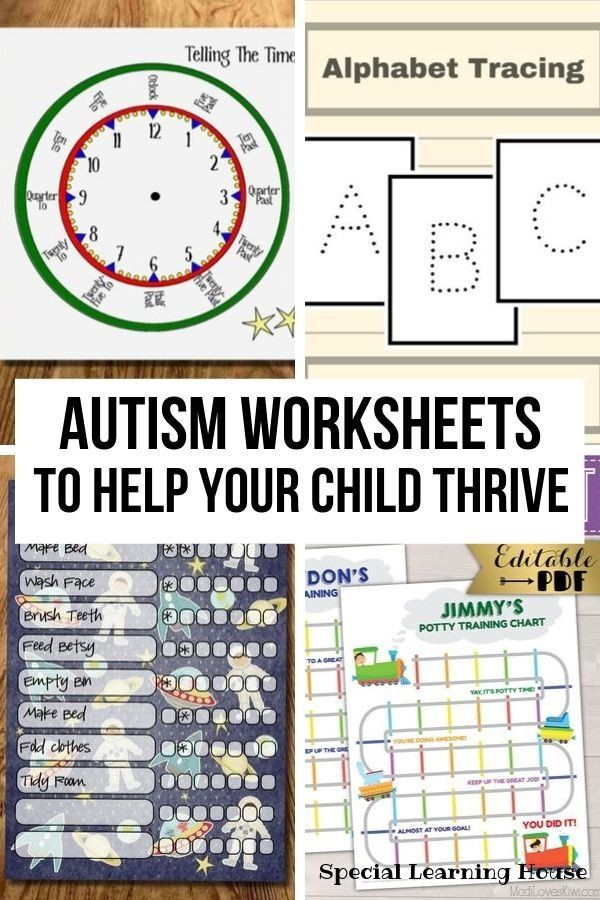
Children with autism often benefit from structured activities that cater to their unique needs. Finding free printable activities can be a great way to engage these children in fun and educational tasks. These activities can help improve their cognitive skills, motor skills, and social interactions.
It is important to provide children with autism with activities that are not only enjoyable but also beneficial for their development. With the right resources, parents and caregivers can create a supportive environment for these children to thrive.
Free Printable Activities for Kids with Autism
1. Visual schedules: Visual schedules can help children with autism organize their day and understand what is expected of them. Printable visual schedules can be customized to fit the child’s routine and can include tasks such as brushing teeth, getting dressed, and doing homework.
2. Social stories: Social stories are a great tool for teaching children with autism about social situations and appropriate behavior. Printable social stories can address common challenges such as making friends, sharing toys, and dealing with emotions.
3. Sensory activities: Sensory activities can help children with autism regulate their sensory processing and improve their focus and attention. Printable sensory activities can include coloring pages, playdough recipes, and sensory bins with different textures and materials.
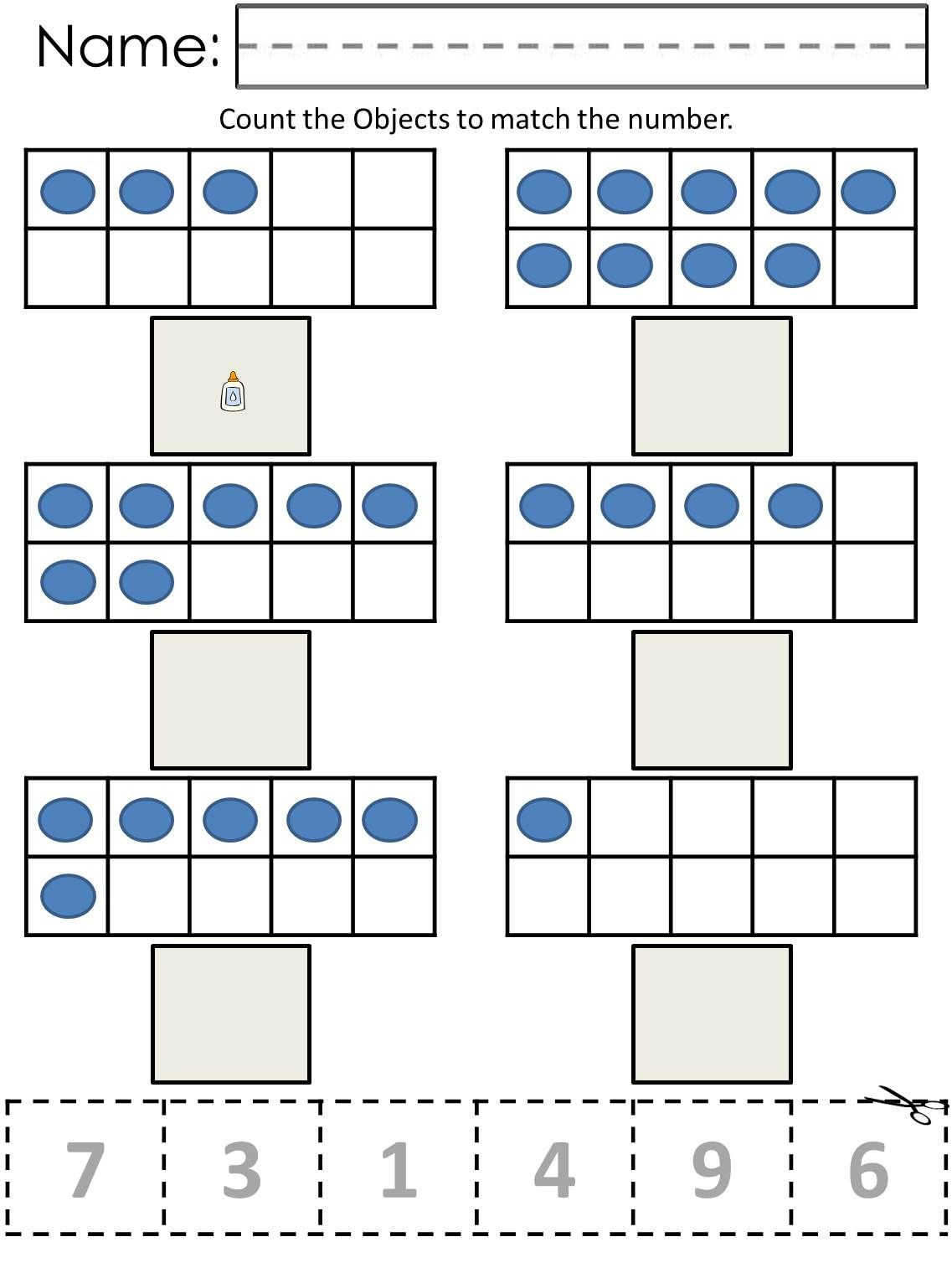
4. Educational worksheets: Printable educational worksheets can help children with autism practice various skills such as counting, reading, and writing. These worksheets can be tailored to the child’s abilities and interests, making learning fun and engaging.
5. Fine motor activities: Fine motor activities can help children with autism improve their hand-eye coordination and dexterity. Printable fine motor activities can include cutting and pasting exercises, tracing shapes, and stringing beads to enhance their fine motor skills.
By providing children with autism with free printable activities, parents and caregivers can support their development and help them reach their full potential. These activities can be a valuable resource for creating a structured and engaging environment for children with autism to learn and grow.