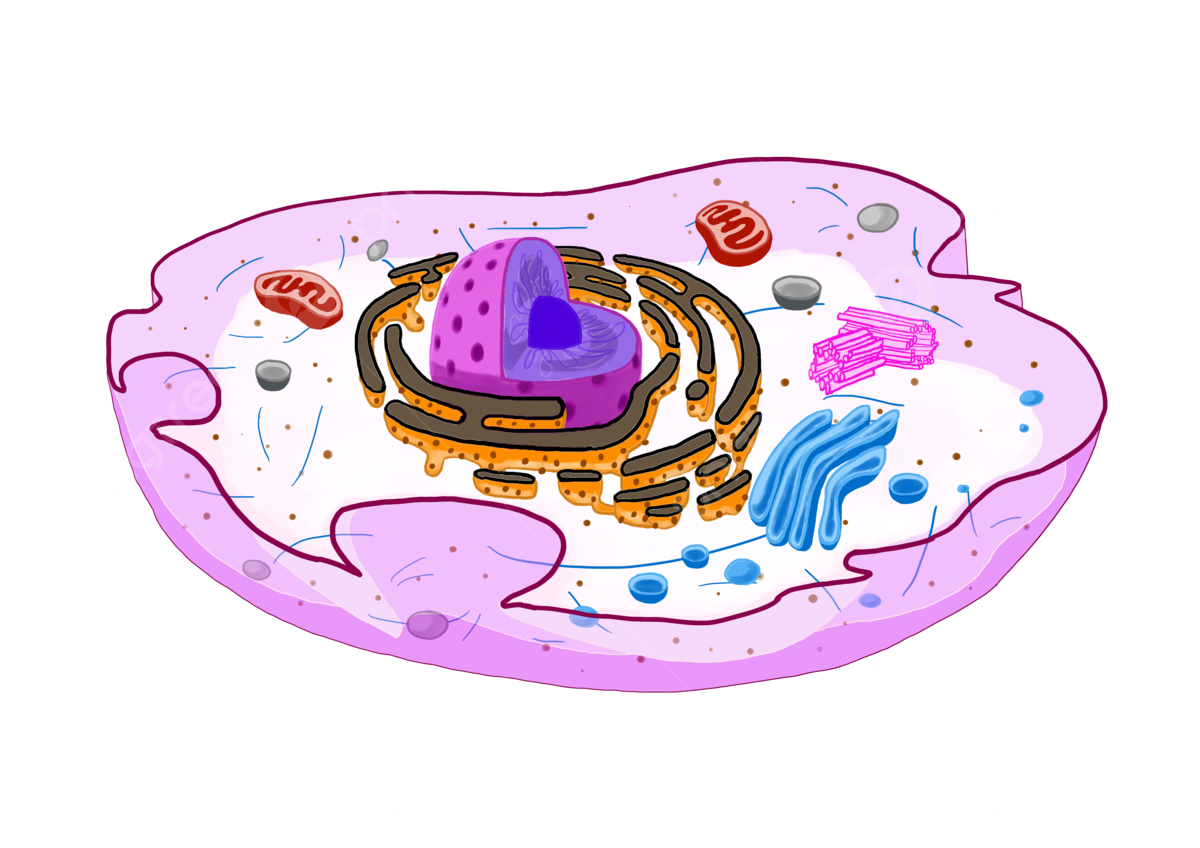
Animal cells are fascinating structures that make up the building blocks of all living organisms. They come in various shapes and sizes, each performing specific functions to ensure the survival of the organism. When we think of animal cells, we often picture them in their typical transparent form. However, with modern technology and scientific advancements, we can now visualize these cells in vibrant colours, revealing intricate details that were once hidden.
Coloured animal cells provide a unique insight into the complex structures and processes that occur within them. By staining different components of the cell with specific dyes, scientists can distinguish between organelles and observe how they interact with one another. This colourful approach allows researchers to study cellular functions in a more visually engaging way, enhancing our understanding of the inner workings of living organisms.
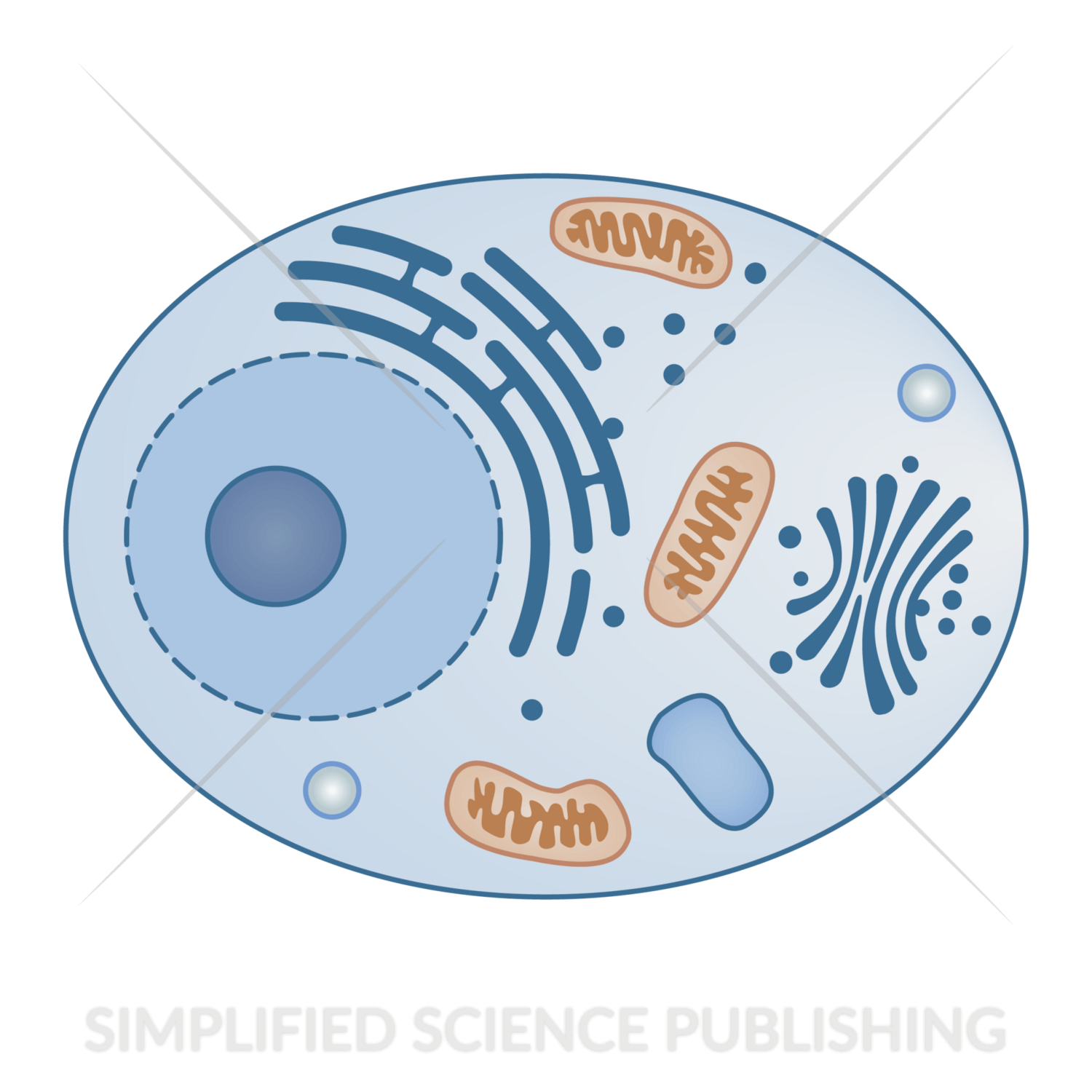
Coloured Animal Cell
One of the most striking features of coloured animal cells is the ability to differentiate between various organelles. For example, the nucleus is often stained blue, making it stand out against the other components of the cell. The mitochondria, known as the powerhouse of the cell, can be coloured in shades of red or orange, highlighting their crucial role in energy production. By colouring these organelles, scientists can easily identify and study their functions in greater detail.
Furthermore, coloured animal cells allow researchers to track the movement of molecules within the cell. By using fluorescent markers, proteins, or dyes, scientists can visualize the transport of nutrients, signaling molecules, and other vital substances throughout the cell. This dynamic approach provides valuable insights into how cells communicate and coordinate their activities, contributing to our knowledge of cellular processes.
Another advantage of coloured animal cells is the ability to study cell division and growth. By labelling specific structures such as the centrioles or spindle fibers with different colours, scientists can observe the intricate process of mitosis or meiosis. This colourful visualization helps to unravel the mechanisms that govern cell division, shedding light on how organisms develop and regenerate their tissues.
In conclusion, coloured animal cells offer a captivating glimpse into the inner workings of living organisms. Through the use of dyes and fluorescent markers, scientists can explore the complexities of cellular structures and functions in a visually appealing manner. This innovative approach not only enhances our understanding of biology but also inspires curiosity and discovery in the field of science.