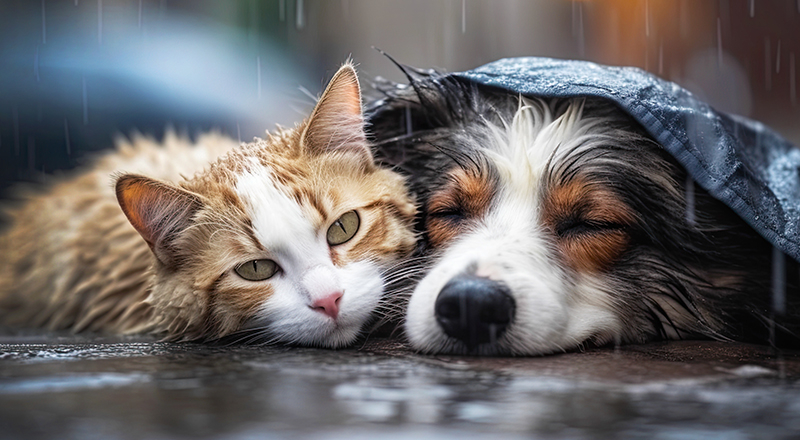
Animal cruelty is a serious issue that affects millions of animals worldwide. While there are many factors that contribute to animal cruelty, one lesser-known aspect is the role of color. The color of an animal can often determine how they are treated, with some colors being seen as more desirable than others. This can lead to discrimination and mistreatment of animals based solely on their color.
Color plays a significant role in how animals are perceived by humans. Certain colors are associated with specific traits or characteristics, leading to biases and prejudices against animals of certain colors. This can result in animals being neglected, abused, or even killed simply because of the color of their fur or feathers.
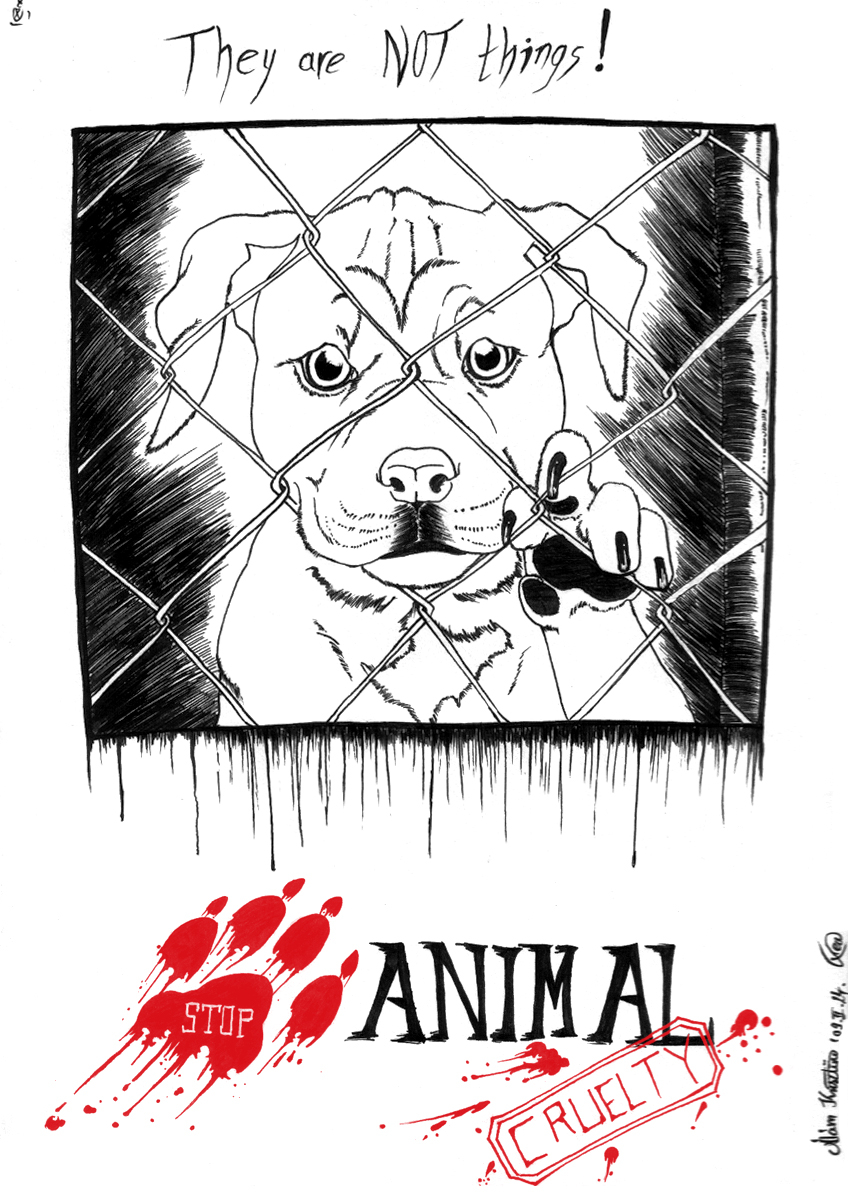
Color for Animal Cruelty
Black animals, for example, are often overlooked in shelters and are less likely to be adopted than animals of other colors. This phenomenon, known as “black dog syndrome” or “black cat syndrome,” can lead to these animals spending longer periods of time in shelters, increasing their chances of being euthanized. This discrimination based on color is unfair and unjust, as all animals deserve love and care regardless of their color.
Similarly, animals with unusual or unique colors may also face challenges. Albino animals, for instance, are sometimes targeted for their rare coloring, leading to them being captured and sold on the black market. This not only puts these animals at risk but also contributes to the illegal wildlife trade and exploitation of vulnerable species.
It is important for society to recognize and address the issue of color-based animal cruelty. By promoting awareness and education about the importance of treating all animals with respect and compassion, we can help combat discrimination based on color. Encouraging adoption of animals of all colors, supporting organizations that work to protect animals, and advocating for stricter laws against animal cruelty are all ways we can make a difference.
In conclusion, color should not be a determining factor in how animals are treated. Every animal, regardless of their color, deserves to be valued and cared for. By working together to combat color-based animal cruelty, we can create a more compassionate and just world for all living beings.