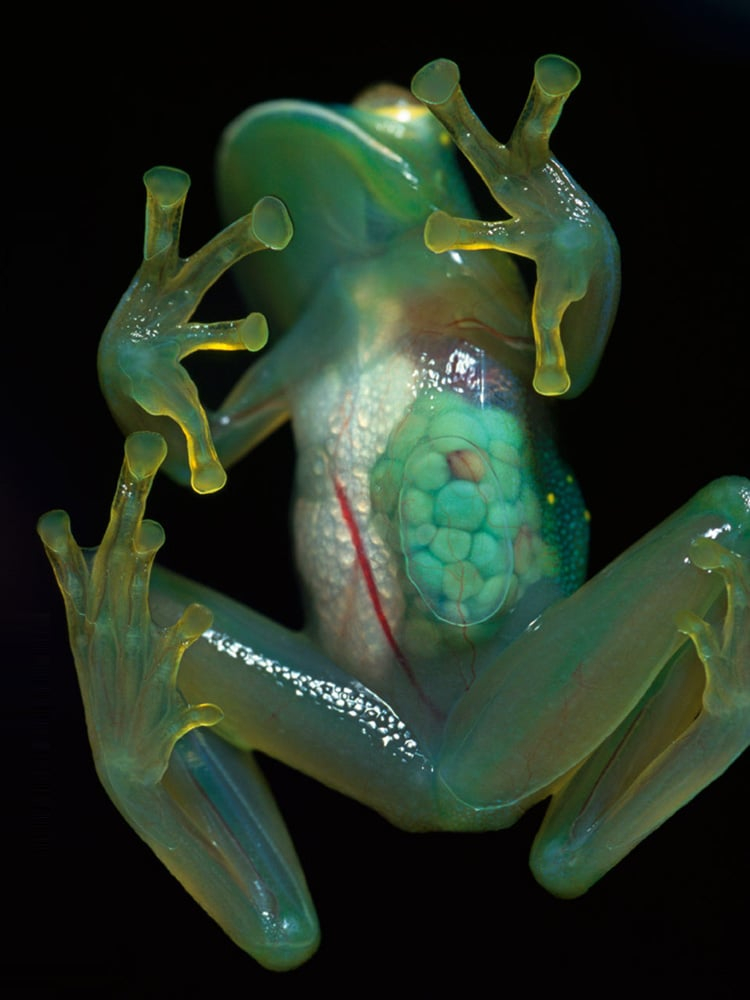
Animals come in a wide array of colors and patterns, with some species exhibiting striking and unique color mutations. These mutations can occur naturally or be the result of selective breeding by humans. From vibrant hues to subtle changes in pigmentation, these mutations add to the diversity and beauty of the animal kingdom.
Color mutations in animals can be caused by a variety of factors, including genetic mutations, environmental conditions, and selective breeding practices. These mutations can result in animals with colors and patterns that are different from their wild counterparts, making them stand out in their natural habitats.
Animal Color Mutations
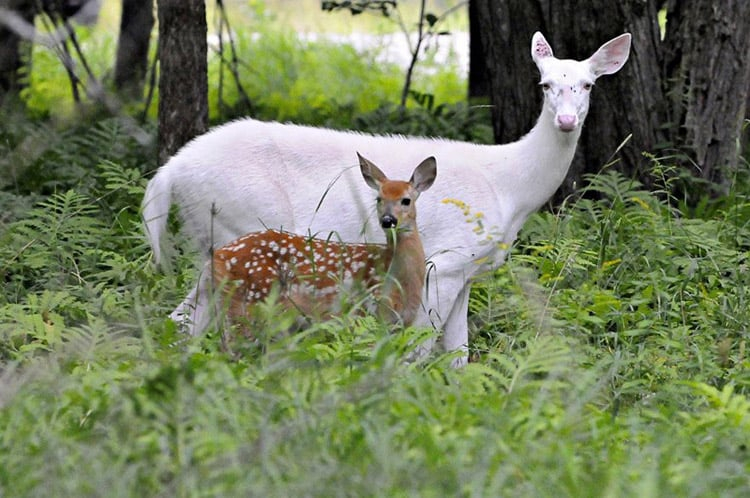
One common example of animal color mutations is albinism, where animals lack melanin pigment in their skin, hair, and eyes. This results in animals with white or pale coloration, and often pink eyes. Albinism can occur in a variety of species, including mammals, birds, reptiles, and fish.
Another striking example of a color mutation is melanism, where animals have an excess of melanin pigment, resulting in dark or black coloration. Melanism can provide animals with a stealth advantage in their environments, as they blend in with their surroundings and are less visible to predators.
Some animals exhibit color mutations that result in unique patterns or color combinations not typically seen in their species. For example, calico cats have patches of three colors – white, black, and orange – due to a genetic mutation that affects coat color. These unique patterns make calico cats highly sought after by cat enthusiasts.
Selective breeding by humans has also played a role in creating new color mutations in animals. Breeders have developed new color varieties in domesticated animals such as dogs, cats, and birds through controlled breeding practices. These color mutations have resulted in a wide range of unique and eye-catching color patterns in these animals.
In conclusion, animal color mutations add a fascinating element to the natural world, showcasing the diverse and intricate ways in which genetics and environmental factors can influence an animal’s appearance. Whether occurring naturally or through selective breeding, these mutations contribute to the beauty and wonder of the animal kingdom.