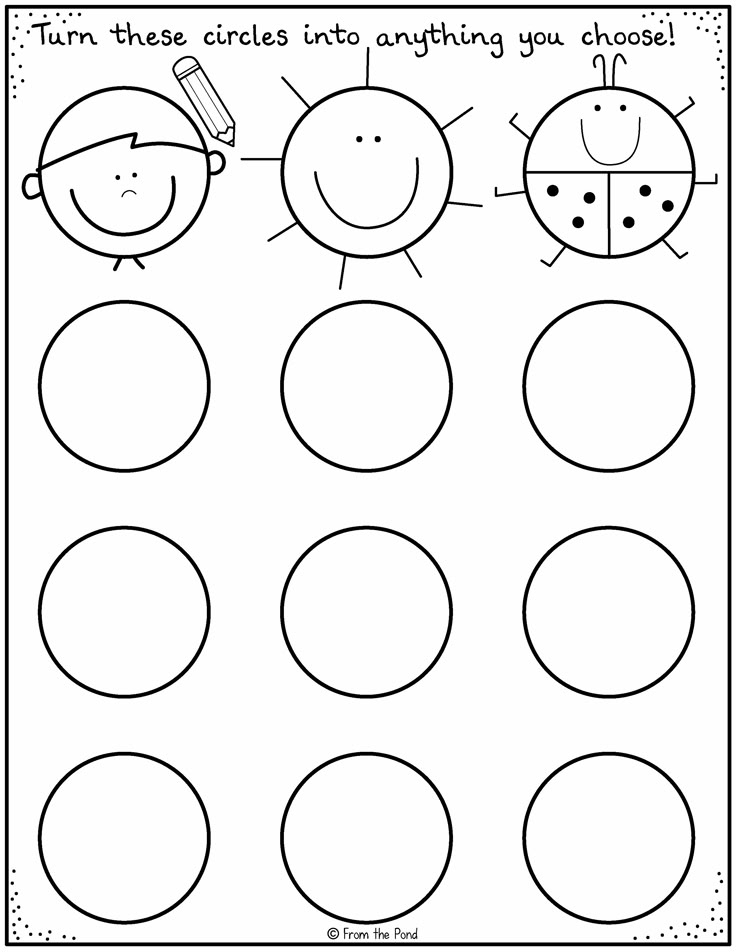
Engaging young students in art activities can be both fun and educational. For grade 1 students, printable art activities are a great way to foster creativity and develop fine motor skills. These activities are easy to set up and can be done at home or in the classroom.
Printable art activities come in various themes and designs, making them suitable for different interests and preferences. From coloring sheets to paper crafts, there are plenty of options to keep grade 1 students entertained while learning new skills.
Types of Printable Art Activities
1. Coloring Sheets: Printable coloring sheets featuring animals, shapes, and other fun designs are a popular choice for grade 1 students. They can practice staying within the lines and experiment with different colors to make their artwork unique.
2. Paper Crafts: Printable paper crafts such as origami or paper puppets are engaging activities that encourage students to follow instructions and use their hands to create something new. These activities also promote cognitive development and problem-solving skills.
3. Drawing Prompts: Printable drawing prompts provide grade 1 students with ideas and inspiration for their artwork. They can draw scenes from their favorite storybook or imagine their own fantastical world, allowing them to express their creativity in a structured way.
4. Seasonal Activities: Printable art activities themed around holidays and seasons are a great way to celebrate special occasions and teach students about cultural traditions. Whether it’s creating Valentine’s Day cards or Halloween decorations, these activities add a festive touch to the classroom.
5. Collaborative Projects: Printable art activities that involve teamwork and collaboration can help grade 1 students develop social skills and learn to work together towards a common goal. Whether it’s creating a mural or a group project, these activities promote communication and cooperation.
In conclusion, printable art activities offer a wide range of benefits for grade 1 students, including fostering creativity, developing fine motor skills, and promoting cognitive development. By incorporating these activities into their learning curriculum, teachers can provide students with a fun and engaging way to explore the world of art.