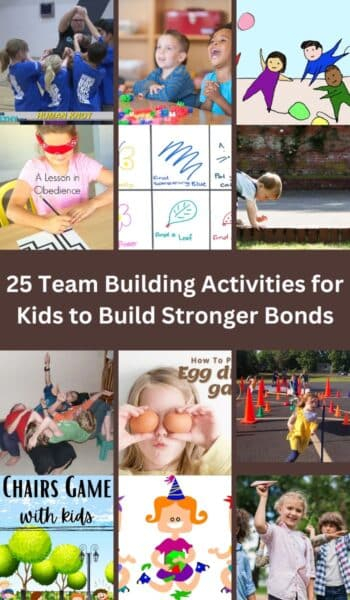
Team building activities are a great way for kids to learn valuable skills such as communication, problem-solving, and teamwork. These activities not only help children develop social skills but also promote bonding and collaboration among team members. Printable team building activities offer a convenient and fun way to engage kids in learning and growing together.
With the rise of virtual learning and social distancing measures, printable team building activities have become more popular than ever. These activities can be easily accessed and completed from the comfort of home, making them a convenient option for parents and educators looking to promote team building skills in children.
Examples of Printable Team Building Activities for Kids
1. Scavenger Hunt: Create a printable scavenger hunt with clues and tasks that require teamwork to solve. Kids can work together to find hidden objects or complete challenges, fostering communication and collaboration.
2. Puzzles and Brain Teasers: Print out puzzles and brain teasers that require kids to work together to solve. These activities promote critical thinking and problem-solving skills while encouraging teamwork and cooperation.
3. Team Building Bingo: Design a printable bingo card with team building tasks or challenges for kids to complete. As they work together to achieve bingo, they will learn to communicate effectively and support each other in reaching their goals.
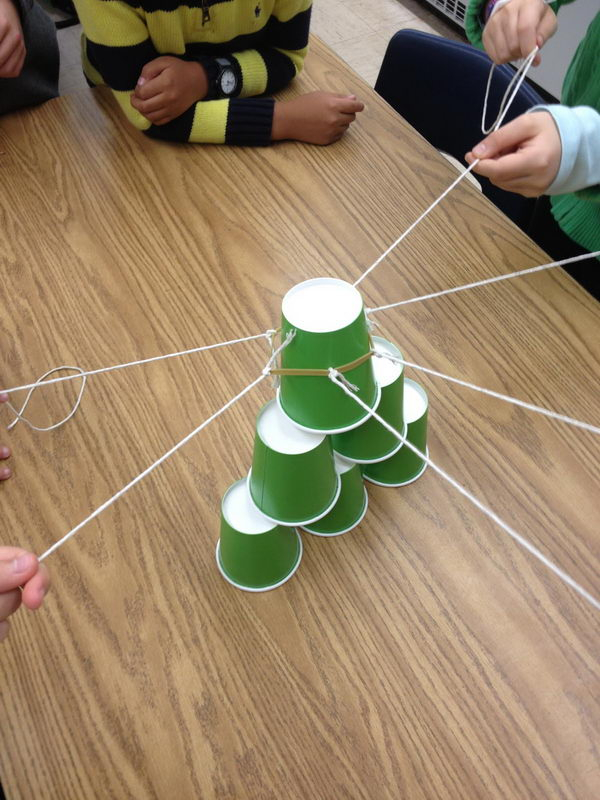
4. Build a Tower: Provide kids with printable building materials and instructions to create a tower together. This hands-on activity promotes creativity, teamwork, and problem-solving as they work to construct a stable and tall tower.
5. Escape Room Challenge: Print out clues and puzzles for an escape room challenge that requires teamwork to solve. Kids will have to collaborate and communicate effectively to escape the room within a set time limit, fostering teamwork and critical thinking skills.
Printable team building activities offer a convenient and engaging way for kids to develop essential skills while having fun with their peers. By incorporating these activities into their routine, parents and educators can help children build strong relationships and learn the value of teamwork.