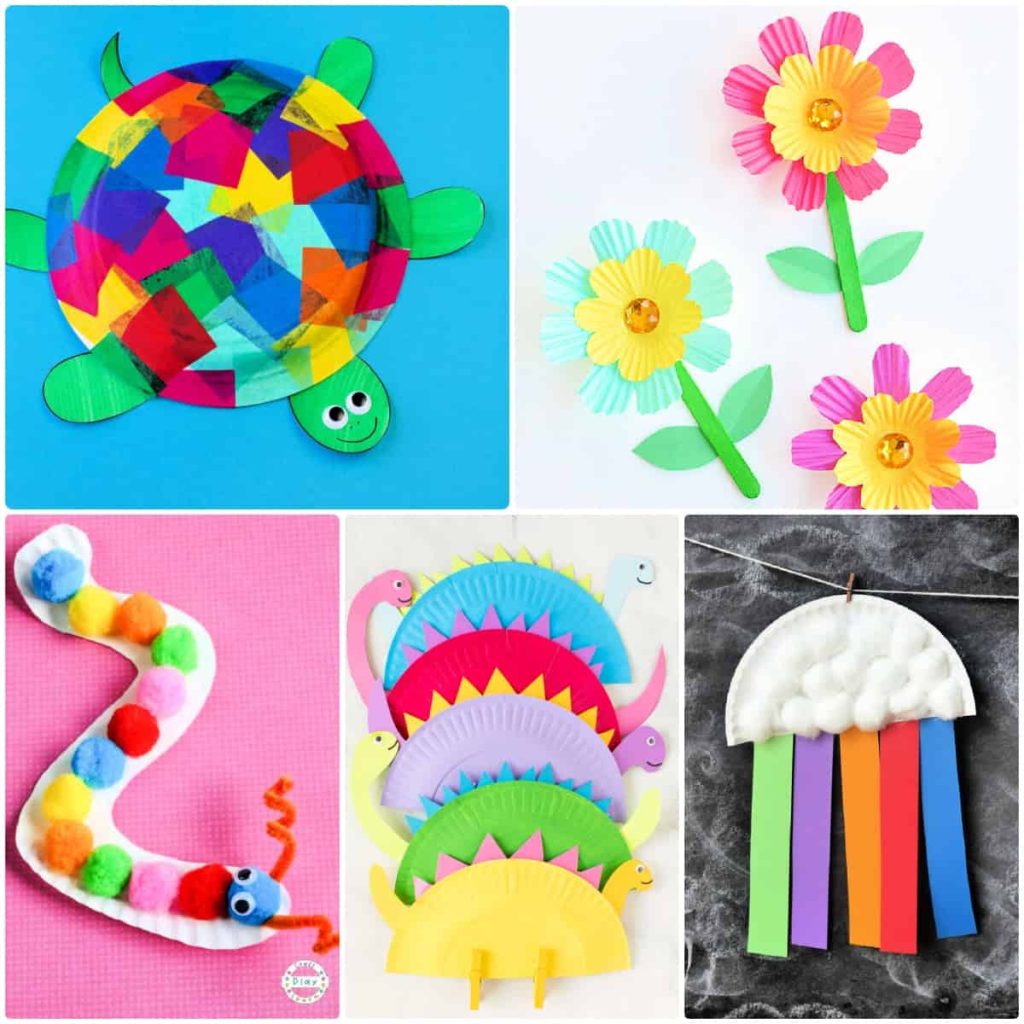
Engaging in craft activities can be a fun and educational experience for children, especially those in Year 3. These activities not only help to develop their creativity and imagination, but also improve their fine motor skills and concentration. With the right guidance and materials, children can create beautiful and unique pieces of art that they can be proud of.
Year 3 students are at an age where they are eager to learn and explore new things. Craft activities provide them with an opportunity to express themselves and discover their interests and talents. It also helps them to develop important cognitive skills such as problem-solving and critical thinking.
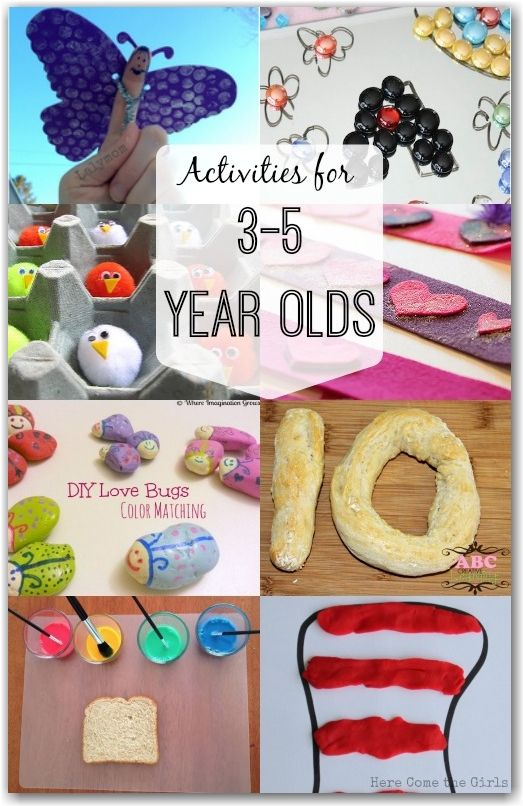
Craft Activity for Year 3
One of the most popular craft activities for Year 3 students is making paper mache sculptures. This activity not only allows children to get messy and have fun, but also teaches them about the properties of different materials and how to manipulate them to create 3-dimensional objects. It’s a great way for children to unleash their creativity and make something truly unique.
Another fun craft activity for Year 3 students is creating their own sock puppets. This activity not only encourages children to use their imagination to come up with different puppet characters, but also helps them to improve their sewing skills as they attach buttons and other embellishments to their puppets. It’s a great way for children to express themselves and put on their own puppet shows for their friends and family.
Year 3 students can also benefit from making their own greeting cards for special occasions. This activity not only teaches children about the importance of showing appreciation to others, but also allows them to practice their writing and drawing skills. Children can personalize their cards with their own designs and messages, making them truly special and meaningful.
In conclusion, craft activities are a great way for Year 3 students to explore their creativity, develop important skills, and have fun. Whether it’s making paper mache sculptures, creating sock puppets, or designing greeting cards, these activities provide children with a hands-on learning experience that can’t be replicated in a traditional classroom setting. Encouraging children to engage in craft activities can help them to become more confident and independent learners, while also fostering a love for art and creativity that will stay with them for years to come.