
Engaging in craft activities can be a fun and fulfilling experience for individuals of all ages. However, it is important to ensure that proper safety measures are in place to prevent any accidents or injuries. Craft activity risk assessment plays a crucial role in identifying potential hazards and implementing strategies to mitigate them.
By conducting a thorough risk assessment before starting any craft project, you can create a safe and secure environment for yourself and others involved. This process involves identifying potential risks, evaluating their likelihood and severity, and implementing appropriate control measures to minimize the chance of accidents.
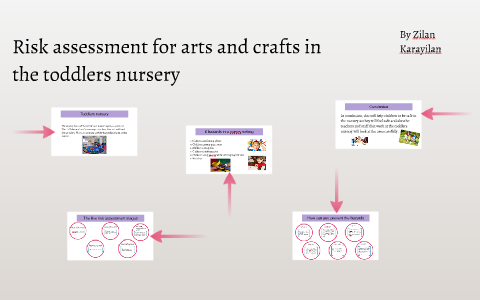
Craft Activity Risk Assessment
One of the key steps in craft activity risk assessment is to identify potential hazards that may arise during the crafting process. This includes recognizing any sharp objects, hot surfaces, or hazardous materials that could pose a risk to participants. By being aware of these potential dangers, you can take proactive steps to prevent accidents from occurring.
Once potential hazards have been identified, the next step is to assess the likelihood and severity of each risk. This involves considering factors such as the frequency of exposure to the hazard, the consequences of an accident occurring, and the number of people who could be affected. By evaluating these factors, you can prioritize risks and focus on implementing control measures for those with the highest likelihood and severity.
After assessing the risks, the next step is to implement control measures to minimize the chance of accidents or injuries. This may include providing protective equipment, modifying the crafting process to reduce risks, or implementing safety guidelines for participants to follow. By taking these proactive measures, you can create a safer environment for everyone involved in the craft activity.
Regularly reviewing and updating the risk assessment is also important to ensure that it remains effective and relevant. As new hazards may arise or circumstances may change, it is essential to reassess the risks and make any necessary adjustments to the control measures in place. By staying proactive and vigilant, you can help prevent accidents and ensure the safety of all participants in craft activities.
In conclusion, craft activity risk assessment is a critical component of ensuring the safety and well-being of individuals engaging in crafting projects. By identifying potential hazards, assessing risks, and implementing control measures, you can create a secure environment for participants to enjoy their crafting experience without the worry of accidents or injuries.